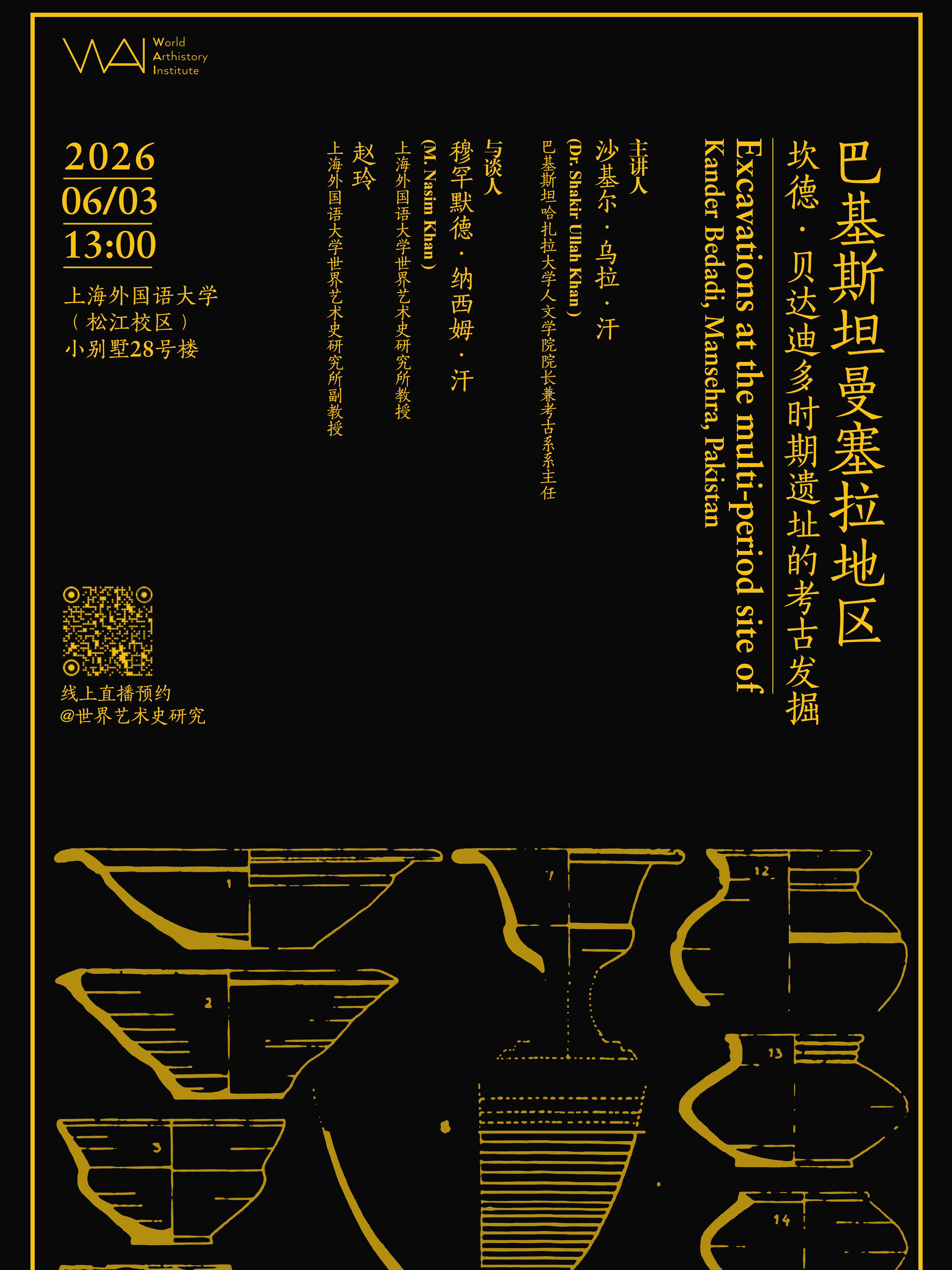

坎德·贝达迪遗址的考古发掘,为揭示巴基斯坦北部地区漫长的文化与政治变迁,提供了全新的一手证据。遗址最早的文化层始于印度-希腊时期(约公元前200年—公元10年),此后依次经历帕提亚、贵霜、印度沙希、早期伊斯兰时期,直至英国殖民时期(约1849-1947年)。 本次发掘出土了大量文化遗物与技术遗存,为还原当时聚落的人类活动提供了重要线索。铜币既为经济活动与宗教仪式提供了直接佐证,也为遗址的年代序列划分提供了关键依据;铁器、陶俑、石质与陶质珠饰、陶器等遗物,清晰展现了不同族群的日常生活与艺术传统;炼铜、制珠相关的遗存,证明当时已形成成熟的手工业体系,这些产业既支撑了聚落居民的日常生产生活,也为宗教机构提供了仪式用品。在遗址一处与佛教建筑相关的区域,考古人员发现了若干壁龛与小室,其中曾放置陶制造像(造像头部已被盗掘者损毁)。但从造像的排列方式来看,它们原本构成一组连贯的叙事性宗教造像序列。这些发现表明,该遗址是不同文明交流碰撞的文化十字路口,深刻影响了当地的聚落形态、手工业发展与文化演变,为理解巴基斯坦的考古文化遗产提供了重要参考。本次发掘由哈扎拉大学考古系主导,联合开伯尔-普什图省考古与博物馆局、英国莱斯特大学合作完成,并由巴-英教育门户计划资助。Archaeological excavations at the site of Kander Bedadi have revealed new evidence of the long sequence of cultural and political changes that impacted this region of northern Pakistan. The earliest levels of the site begin with the Indo-Greek occupation (circa 200 BCE-CE 10) followed by Parthian, Kushan, Hindu Shahi, Early Islamic, and finally the British colonial occupation (circa 1849-1947). The excavations recovered a wide range of cultural and technological materials that provide new insights into the activities that were going on in this settlement. Copper coins provide evidence for economic and ritual activities and also help to define different chronological periods. The discovery of iron tool, terracotta figurines, stone and terracotta beads and pottery shed new light on the daily activities and artistic traditions of the diverse people living at the site. Evidence for copper smelting and bead making indicate the importance of specific craft traditions that were needed to support the inhabitants and also provide ritual materials for religious institutions. In one part of the site associated with a Buddhist religious structure are some niches or cells with the remains of terracotta images constructed on a wooden frame. All of the heads had been removed by looters but their arrangement in a series of niches suggest they form part of a narrative or sequence of important religious icons. These findings highlight the site's significance as a cultural crossroads where multiple civilizations interacted over centuries, shaping the region's socio-economic and religious landscape. This discovery provides critical insights into ancient settlement patterns, craft industries, and cultural transitions, contributing to a deeper understanding of Pakistan’s archaeological heritage. Excavations were conducted by the Department of Archaeology Hazara University, in collaboration with the Directorate of Archaeology and Museums, Khyber Pakhtunkhwa, and Leicester University, UK and funded by the Pak-UK Education Gateway program.
Shakir Ullah Khan沙基尔·乌拉·汗
沙基尔·乌拉·汗(Shakir Ullah Khan)教授1990年起进入巴基斯坦白沙瓦大学攻读,先后获得考古学硕士、哲学硕士及博士学位。自1993年起,开始从事教学、研究和实地工作,自2018年起担任博士生导师。目前担任巴基斯坦哈扎拉大学考古系教授兼系主任,以及人文学院院长。其负责领域包括历史时期考古学、穆斯林时期的巴基斯坦考古学、艺术、建筑学和博物馆学等。
沙基尔·汗教授曾参与过多个考古遗址发掘项目,如查尔萨达地区的巴拉·希萨尔遗址,塔克西拉地区的巴马拉遗址发掘等,同时还曾担任多个博物馆职务,拥有丰富的考古发掘、文物整理和展陈等方面的经验。
近年来他的研究着重在《曼塞拉地区考古发掘:甘地佛教佛塔(巴多德里)》,扎尔德里佛教遗址,古利巴格穆斯林时期遗址等项目,并和英国莱斯特大学合作开展“开伯尔-普什图省英国时期的考古与遗产”项目研究,并曾与世界艺术史研究所于2024年7月共同在巴基斯坦共同举办主题为“英国时期考古与遗产”国际会议。
他的主要出版作品包括《齐亚拉特·卡卡·萨希布及其周边的晚期莫卧儿时期遗迹》(ISBN 978-969-2328-0-7), 《开伯尔-普赫图赫瓦省墓葬建筑的发展》(ISBN 978-969-23288-1-4)。他还自2013年起担任《巴基斯坦遗产》期刊的联合主编。他还发表了百余篇论文。
新闻报道