
内容提要
暂无描述。
新闻报道
暂无新闻报道

新闻报道

本次学术讲座为我校科研处主办的“核心期刊论文写作辅导系列讲座”的第三场,重点聚焦语言学方向。我校CSSCI来源期刊的主编将系统讲解期刊的主要研究方向、栏目设置、热点选题以及审稿要求,并通过现场互动,答疑解惑,帮助我校教师、科研人员尽快提高选题规划能力,准确掌握写作规范,有效提升论文撰写质量和投稿成功率。
在高校加快推进“双一流”建设,着力提升科研水平的背景下,科学研究和核心期刊发文日益成为广大教师、科研人员的“必修课”,也是“攻坚课”。科研能力的高低直接关系到自身的职业发展。当前,我校正在全力提高学科综合能力,加快建设国别区域全球知识领域特色鲜明的世界一流外国语大学,并将“营造良好科研氛围、提升教师科研能力”视为打造学校核心竞争力、提高学校综合实力的重要途径。相信本系列讲座一定能够给予我校教师、科研人员宝贵启示,帮助他们准确把握学界动态,不断提升写作水平,产出更多具有更高学术含金量、社会影响力的高质量学术成果。
新闻报道
新闻报道


新闻报道

上外法学院“区域与国别法”讲座系列
新闻报道

近年来,我校立足多语种、跨学科、跨文化优势,通过上海外国语大学海外研修项目,支持教师赴海外从事田野调查。本次讲座中,孙会军教授将分享在美国乔治城大学、俄克拉荷马大学访学以及拜访美国著名中国文学翻译家葛浩文、林丽君的经历,结合具体案例,探讨从副文本角度进行翻译研究的作法和学术意义。
新闻报道

《助你升职加薪的述职报告》
—— 清晰有条理总结并展示工作的演讲技巧与方法
无论是月度总结还是年度述职,展示工作成果都是每位企业人士最重要的一个演讲环 节,如何清晰有条理梳理工作成果?如何说服上司肯定自己工作成效从而获得升职加薪机 会?
讲座要点:
* 述职报告做不好的几大原因
* 不同时长汇报版本准备
* 述职汇报要保持专业范儿
* 掌握4大思维逻辑结构
* “四部曲”模版演讲法
* 能吸引领导注意的开场方式
* 一击即中表达重点的能力
* 用好PPT,清晰展示工作成果
* 用真实的案例说服领导
* 应对领导提问的方法
新闻报道


This lecture briefly introduces the history of financial transaction taxes, and related policy considerations, as well as current implementation of these taxes worldwide. It will also present an experimental study designed to evaluate the impacts of financial transaction taxes on market outcomes, including bubbles formation and size, trading volumes, profits and volatility.
新闻报道
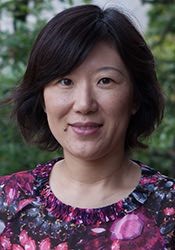

1.瑞银的人力资源发展策略
2.华尔街投行高管的人生AB面,从人生AB面中寻找真实的自己
3.把握职业发展的关键点
4.提问互动
新闻报道


In this academic talk, Dr. Qin will share part of her dissertation research that explores adolescent and young adult EFL learners’ writing proficiency, particularly their ability to navigate across communicative contexts. She will particularly demonstrate how she uses corpus linguistic instruments and advanced quantitative methods to theorize, operationalize, and measure register flexibility, an innovative construct to assess EFL writing proficiency.
新闻报道

