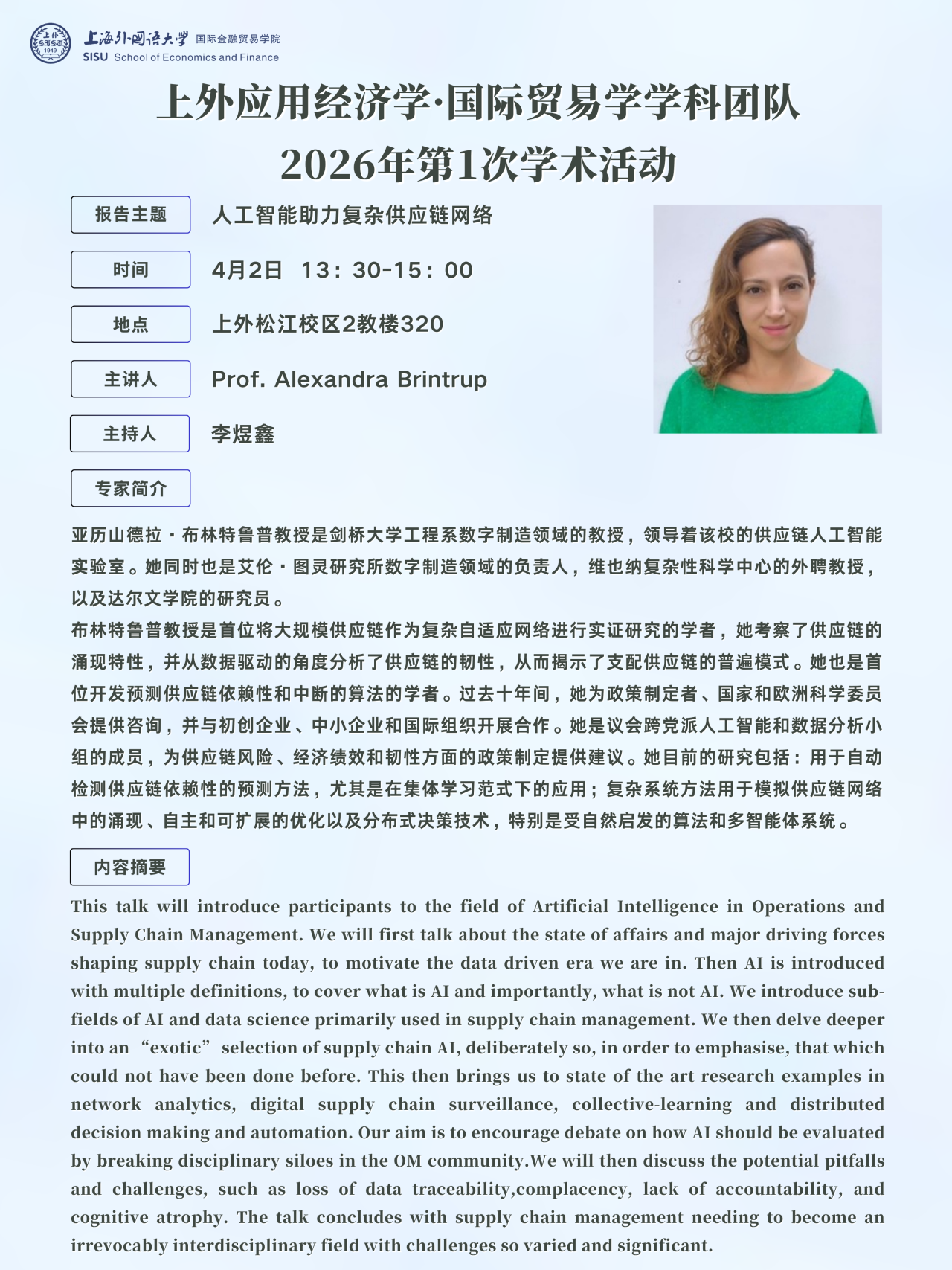
The integration of Generative AI (GenAI), such as ChatGPT, into language teaching presents transformative opportunities for enhancing writing, vocabulary acquisition, and learner engagement. This talk explores empirical findings on GenAI's strengths—including its role as a feedback tool, brainstorming assistant, and metacognitive resource—while addressing critical limitations, such as inaccuracies, ethical concerns, and over-reliance. Drawing on recent studies (e.g., Teng, 2025; Mizumoto et al., 2024), I highlight how AI-assisted writing improves lexical diversity and syntactic complexity but risks impersonal output and reduced critical thinking. Key themes include: (1) the importance of metacognitive awareness in leveraging AI effectively, (2) strategies for human-AI collaboration (e.g., guided prompting, iterative revision), and (3) the need for institutional guidelines to mitigate plagiarism and inequality. The talk concludes with future directions, emphasizing the irreplaceable role of teachers in fostering AI literacy and curating authentic reading materials to counterbalance AI’s limitations. Educators will gain actionable insights to harness GenAI as a complementary tool while nurturing learners’ autonomy and critical evaluation skills.